Latvia carries one of the oldest continuously preserved nature-based cultural, spiritual, and healing traditions in Europe. For thousands of years, Latvian and Lithuanian life was rooted in an animist worldview where nature, spirit, land, ancestors, and everyday life were inseparable. As Christian reform arrived later here than in much of Europe, a living thread of ancient practices endured. These nature-based traditions survived inside daily life - woven into songs, rituals, seasonal celebrations, plant medicine, and family healing.
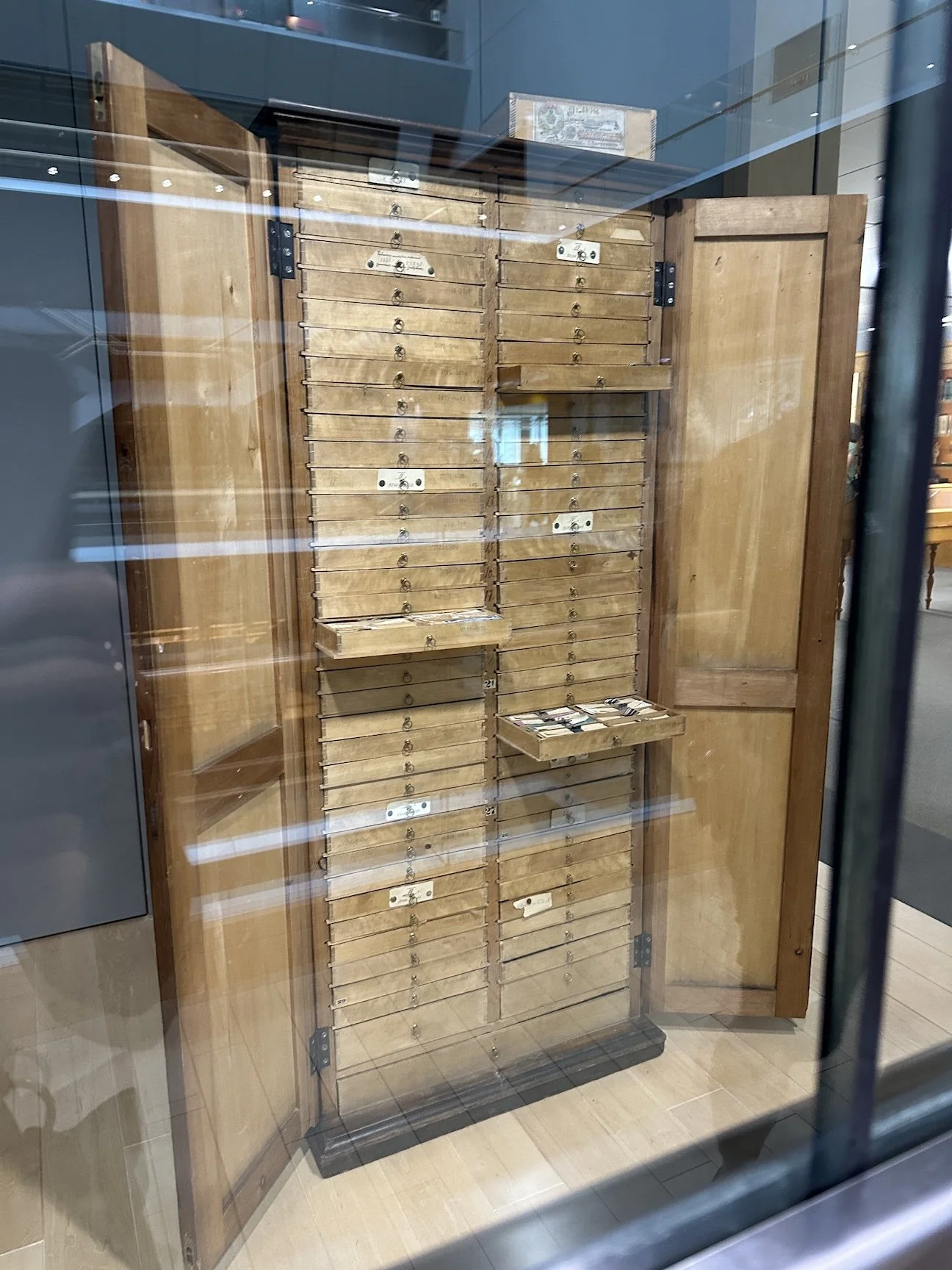
Dainas
Hundreds of thousands of folk songs were passed orally for millennia, encoded with ecological knowledge, spiritual teachings, agricultural wisdom, emotional guidance, and sacred metaphor. This oral library of Latvian dainas is considered one of the largest collections of ancient poetry in the world, and it preserved philosophy when written language and sovereignty were restricted.
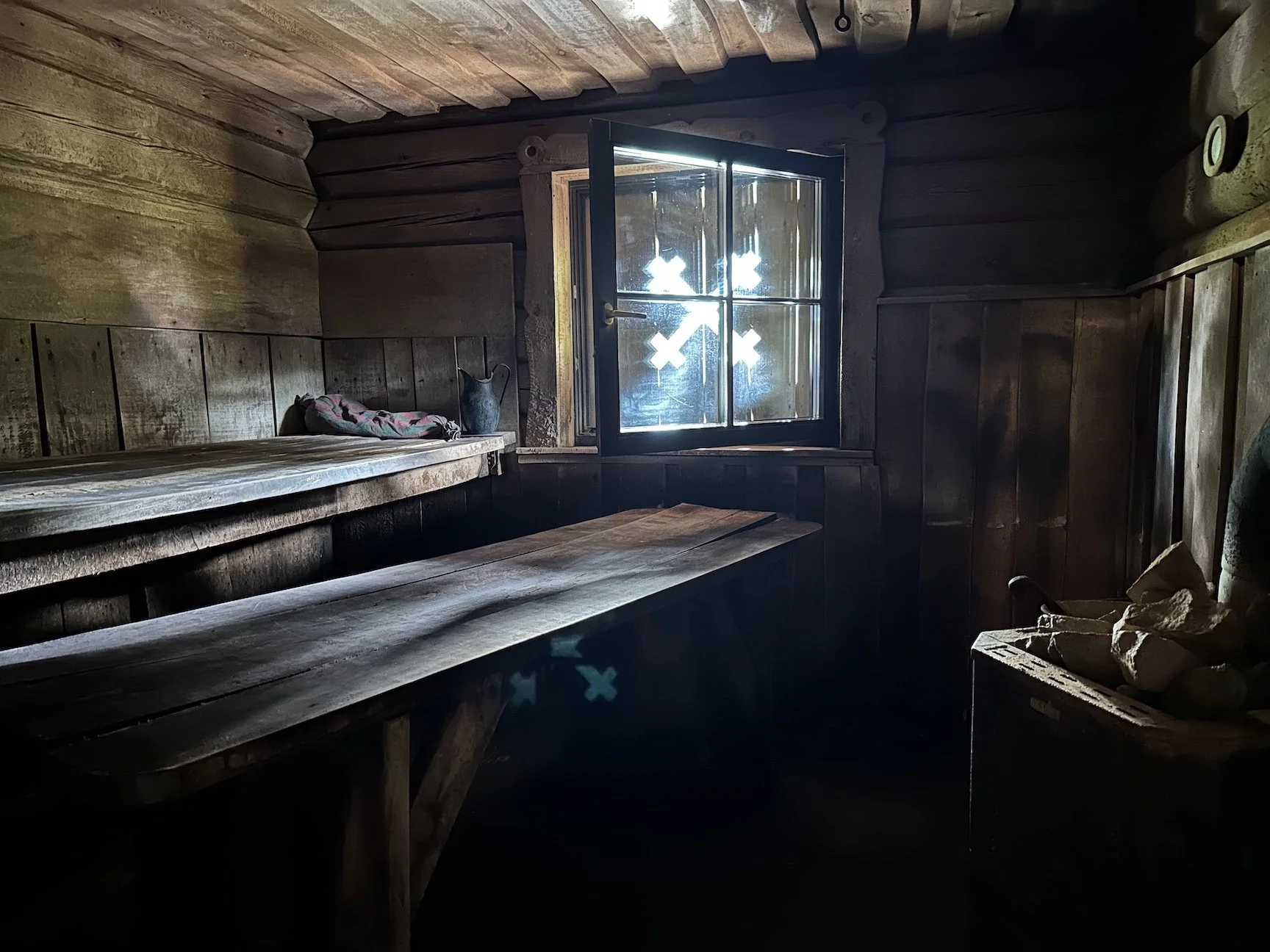
Pirts (sauna ritual)
Pirts is an ancient healing system combining heat therapy, cold immersion, plant medicine, singing, breathwork, prayer, and sensory awareness. Unlike spa saunas, pirts is a guided ritual led by a trained healer/shaman (pirts meistars) who uses steam, touch, aromatic herbs, and water to cleanse, regulate the nervous system, and restore emotional and physical balance. This practice survived because it was hidden “in plain sight” as part of everyday rural life.
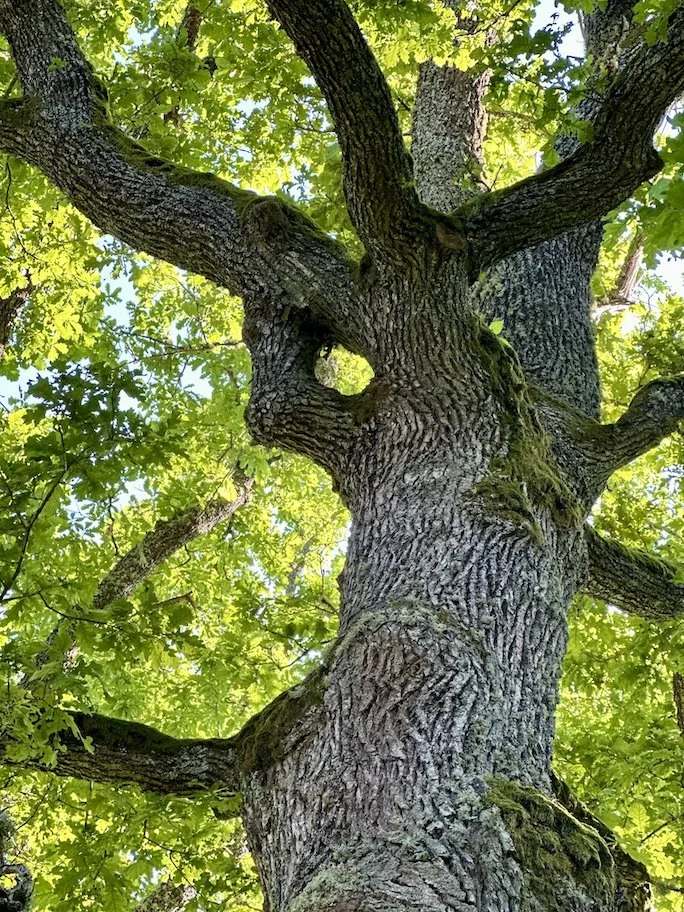
Relationship with land and ancestors
Latvian and Lithuanian cosmology understands nature as alive, intelligent, and relational: Mother Saule brings warmth and renewal; Māra, the Earth Mother, governs bodies, birth, and the material world; Pērkons protects the land and restores balance; Laima weaves fate and blessing; and Dievs watches over the order of the world, offering guidance, harmony, and moral grounding. Ancestors are not distant - they remain present and participatory, living in the land, water, stones, and forests. In this worldview, humans are in relationship with the more-than-human world, and well-being arises through reciprocity, gratitude, protection, and belonging.
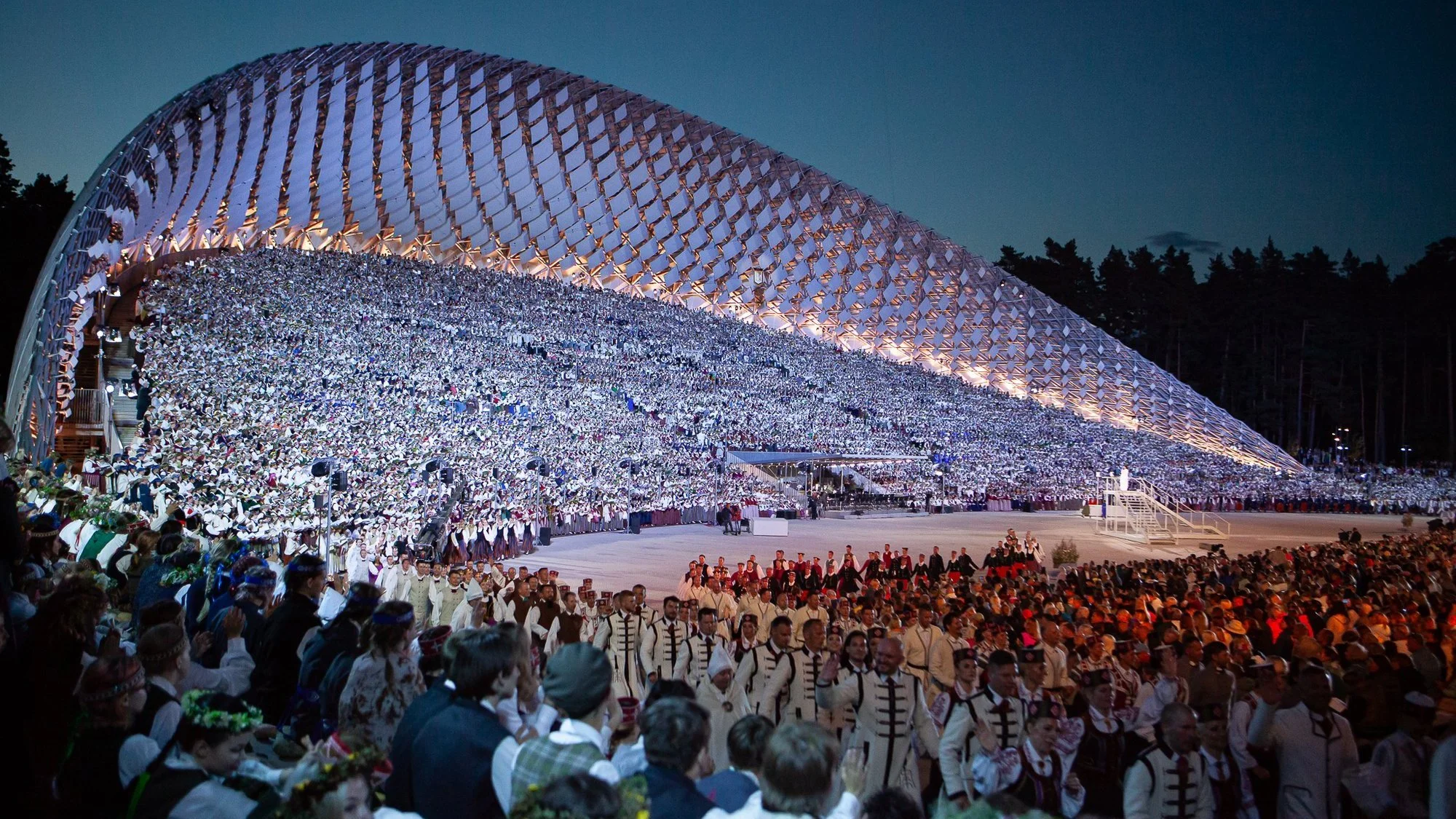
Photo: Patriks Pauls Briķis/DELFI
A History of Survival
For centuries, Latvia endured occupation - German, Swedish, Polish, Russian, Soviet - becoming a free and sovereign nation for the first time in 1918. Despite repeated attempts to erase culture, language, and identity, Latvians used song, ritual, and folklore as a hidden form of resistance. During Soviet occupation from 1941, singing ancestral songs became an act of political defiance and spiritual survival. In 1991, Latvia regained independence, and today the Song and Dance Festival is a UNESCO-recognized cultural treasure, with a chorus and attendance of tens of thousands.
Because so much knowledge survived through oral tradition, Latvia, as well as its Baltic neighbors, is now one of the few places in Europe where intact pre-Christian, nature-based spiritual and healing systems are still practiced.
Baltic Healing Documentary
When filmmaker Andrea Lötscher learned that women in Latvia had quietly preserved traditional European healing knowledge into the present day, she envisioned what would become the documentary Baltic Healing. In the summer of 2023, Andrea traveled through Latvia to meet four women healing practitioners working with pirts, the traditional Latvian sauna. The resulting documentary feature, Baltic Healing, premiered in the spring of 2024 and, in its first year, was screened more than a dozen times in cinemas and outdoor venues.
The film is directed, filmed and edited by Andrea Lötscher. Baiba Balka was the production coordinator and translator.